
Governance-first reviews for AI systems that cannot afford silent failure
Reduce expensive AI mistakes before they become operational or compliance problems.
Flamehaven sells founder-led diagnostic sessions, risk reviews, and governance design for teams that need AI systems to survive real deployment pressure.
We do not ask only whether your AI works. We ask whether its outputs, claims, and decisions are justified enough to survive customer, investor, compliance, or internal review.
Direct founder contact · Response within 1-2 business days · info@flamehaven.space
Why working AI still fails
Production failure usually starts deeper than the demo.
outputs that sound stronger than the implementation justifies
retrieval and agent flows that appear functional but drift quietly
systems that pass surface tests and still fail under ambiguity
workflows with no real decision boundary or fail-closed behavior
Services
Start small. See the risk clearly.
Diagnostic Session
Paid entryA founder-led 60-90 minute working session for teams or technical operators who need a clear first answer, a risk read, and a direct next-step recommendation.
AI Risk Quick Audit
Fixed-fee reviewA concise review for teams that already built something with AI and want to know where the real structural risks are.
AI Risk Deep Report
Serious reviewA broader assessment of architecture, evidence, justification, and reliability for systems nearing customer or stakeholder exposure.
Governance Blueprint
Project pathA founder-led design engagement for fail-closed logic, audit artifacts, governance layers, and controlled rollout paths where trust cannot remain implicit.
Emerging demand surface
The strongest writing cluster currently points toward tooling and runtime partnerships.
Current operator audit: 50 of 118 live writing posts map most strongly to a tooling or partnership path. That makes this route worth reading directly, not only as a side note under audits.
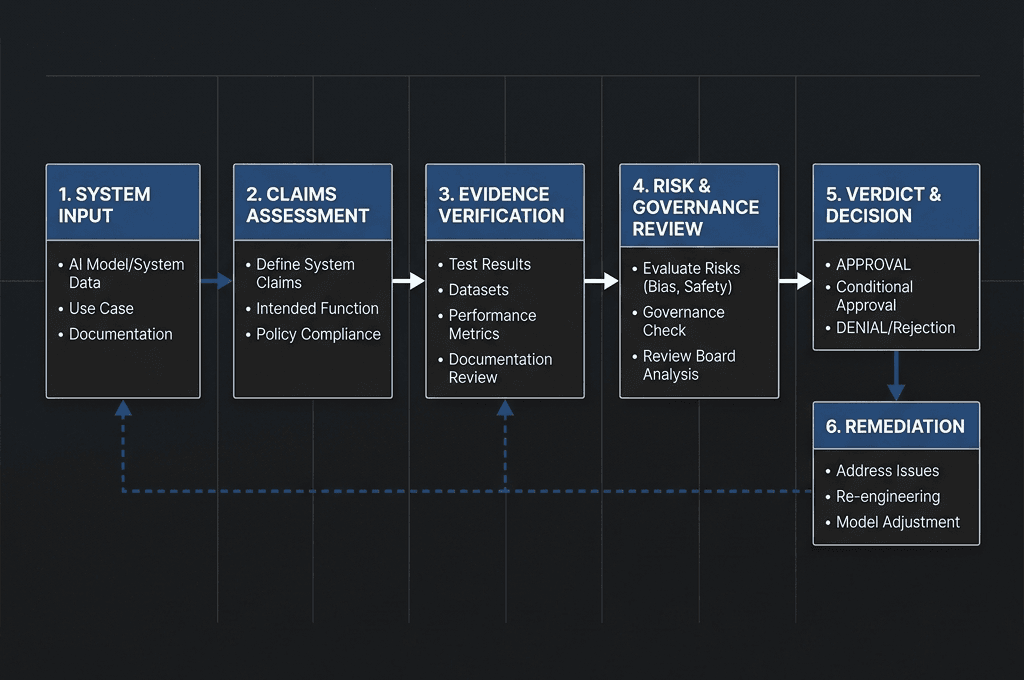
Review Flow
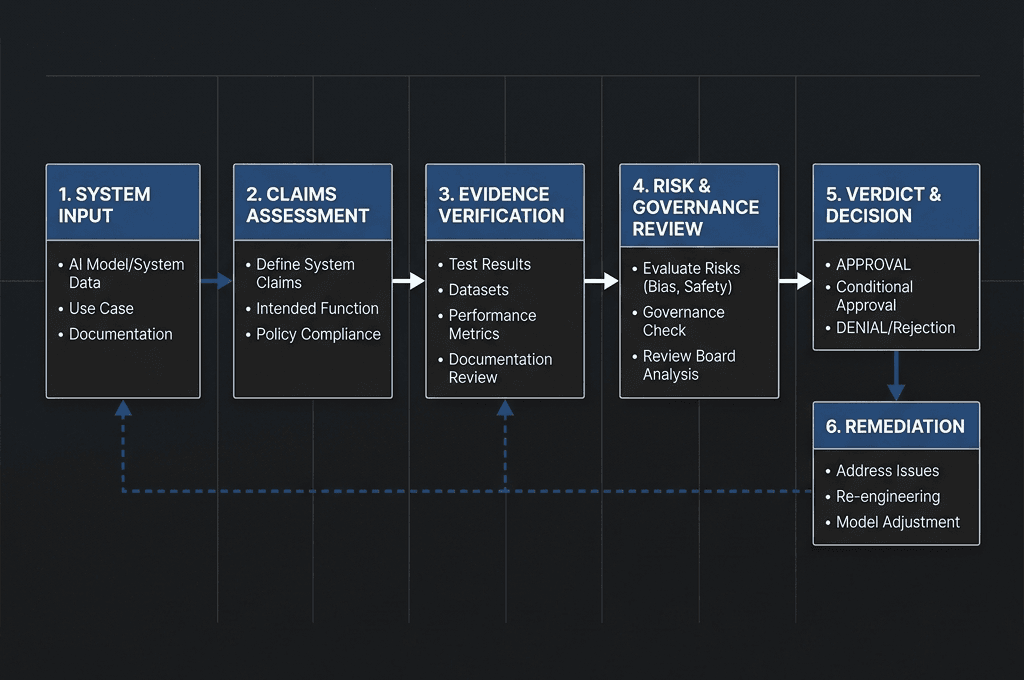
From system claims to verdict and remediation.
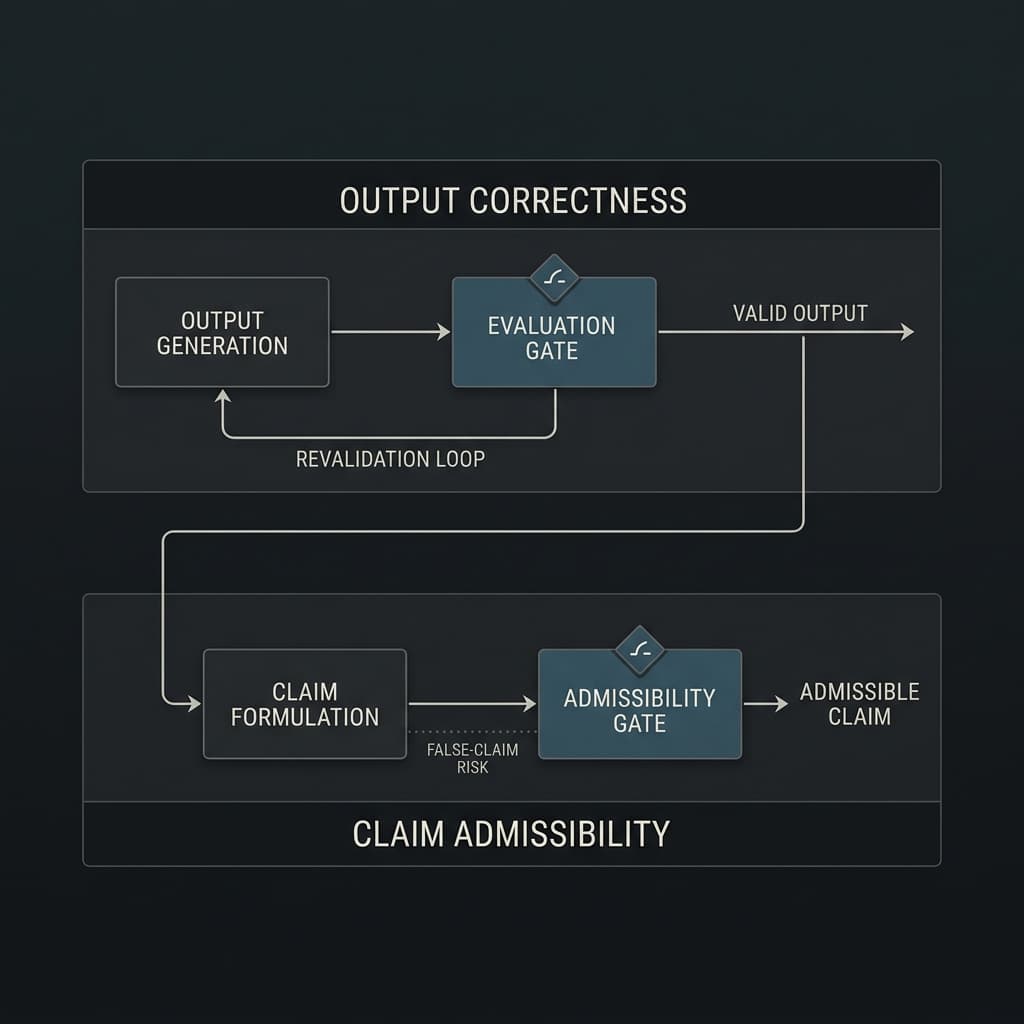
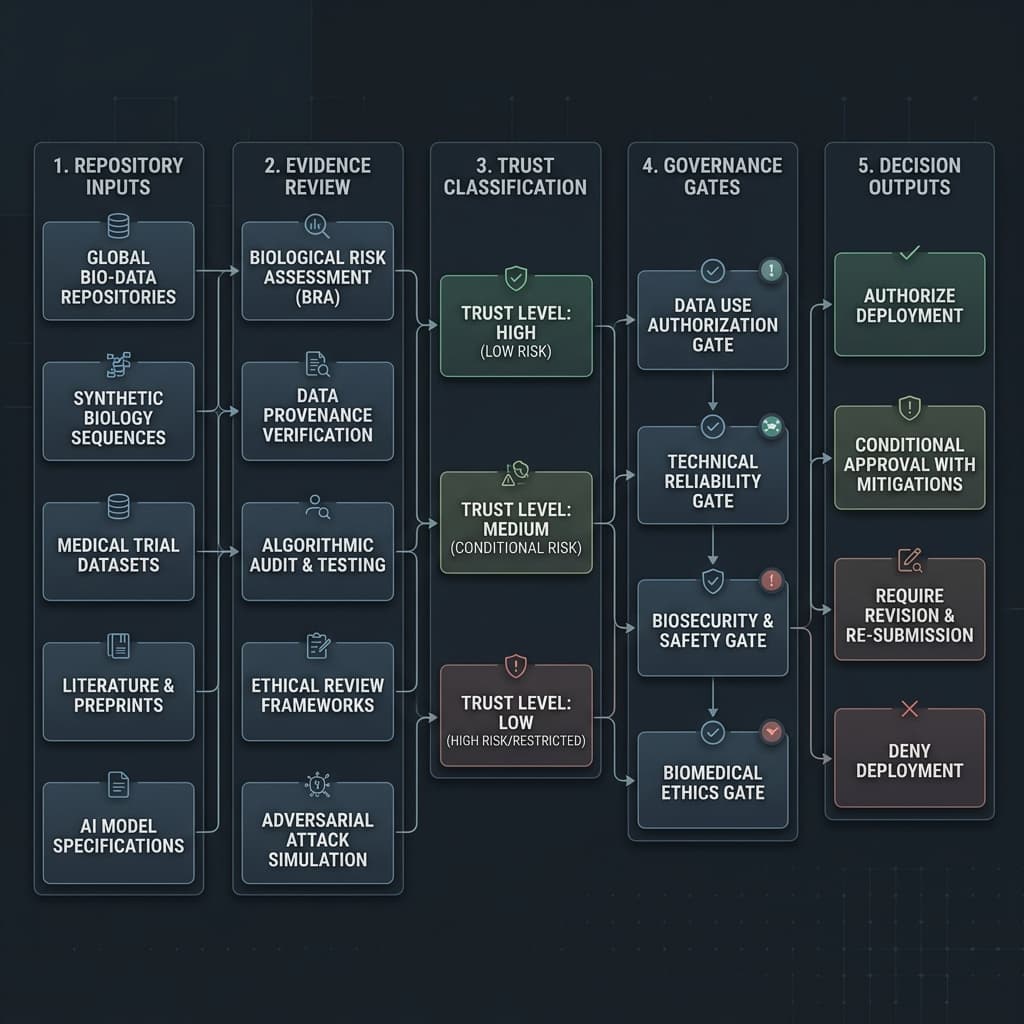
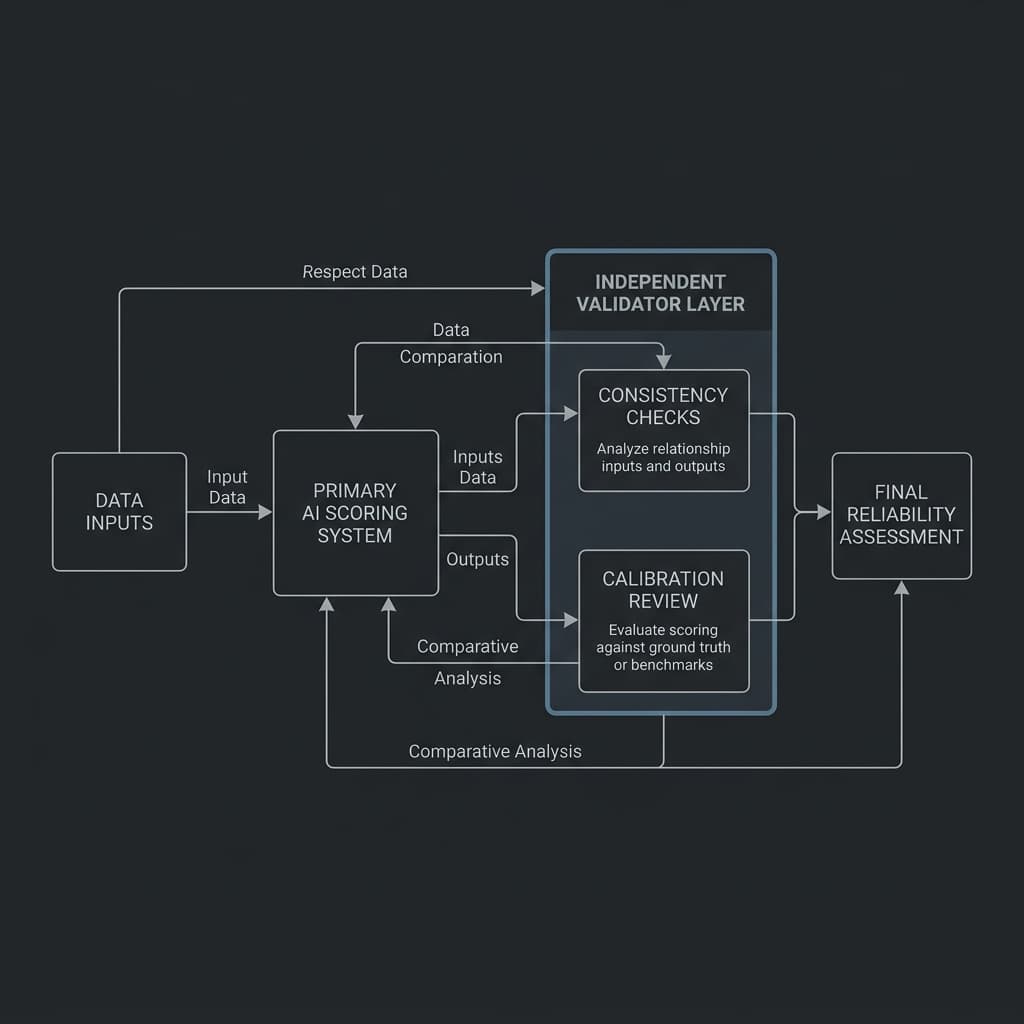
Flamehaven reviews AI systems by tracing claims, evidence, governance exposure, and remediation paths instead of stopping at demo output.
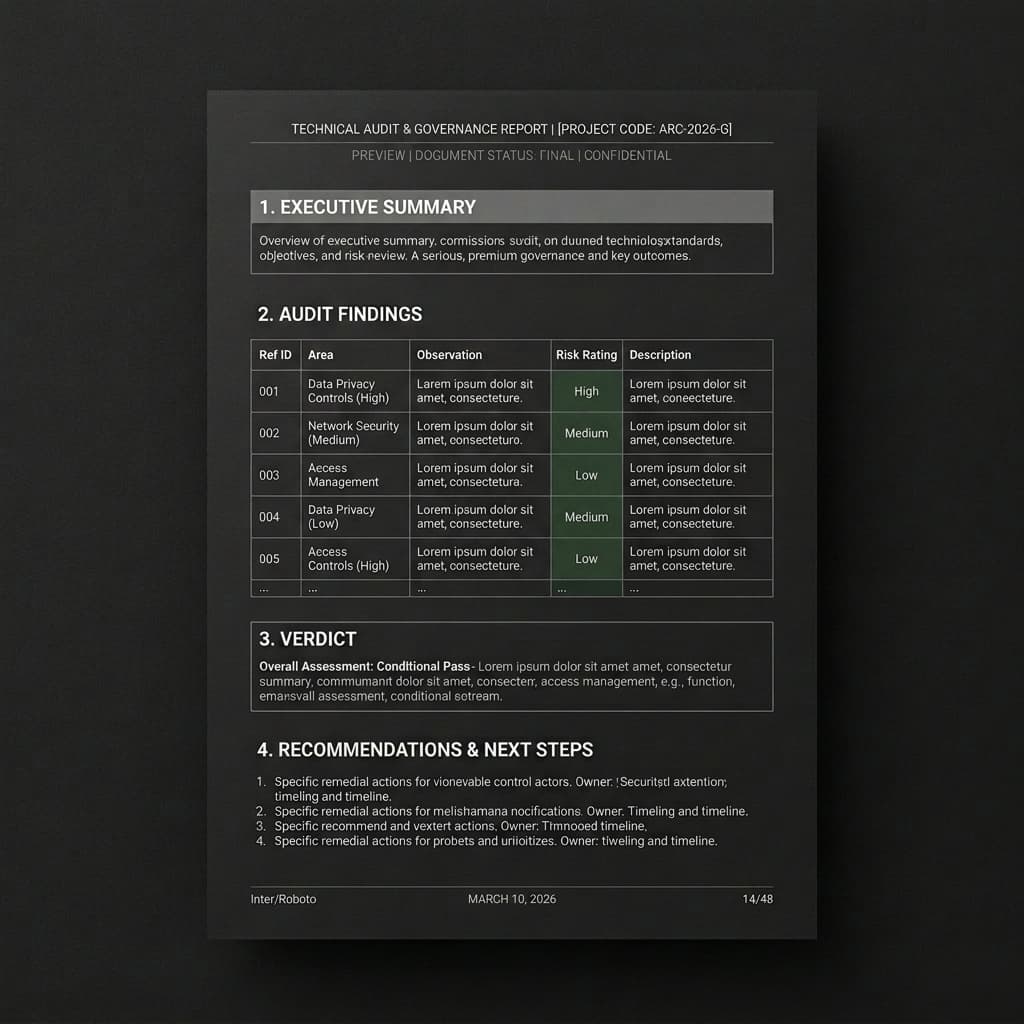
Sample Report
See how findings, verdicts, and next-step recommendations are actually presented before you request a review.
Resources
Start with the shortest path to understanding.
Use these entry points to see what Flamehaven does, how the review works, and where the work is grounded.
Who This Is For
- B2B AI product teams using LLMs, RAG, or agent workflows
- Technical founders, AI leads, and staff-level builders who need a senior review partner before wider rollout
- Scientific, medical, or regulated teams where output risk matters and internal review cannot stay informal
What You Get
- Architecture review with a direct risk map
- Claim-vs-implementation review and failure analysis
- Governance and verification layer blueprint
- Artifacts teams can inspect, test, and extend
How Flamehaven works
The goal is not to ship another AI demo, but to leave your teamwith architecture, constraints, and verification that hold in production.
Constraints first
Requirements, risk, and failure modes are defined before implementation.
Founder-led delivery
You work directly with the person designing and building the system.
Artifacts, not promises
Blueprints, working code, and testable outputs are part of the engagement.
Fail-closed mindset
When assumptions break, the system should stop safely rather than improvise.
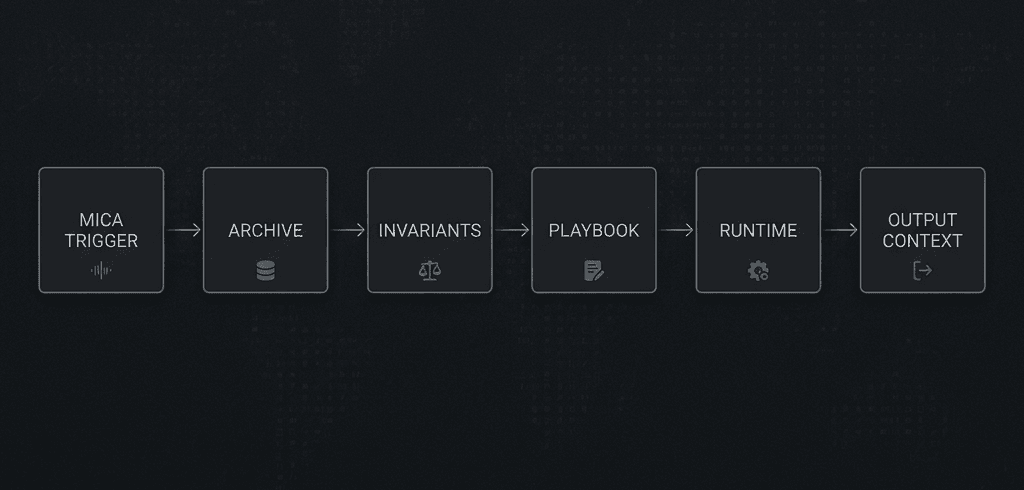
Frameworks Behind The Review
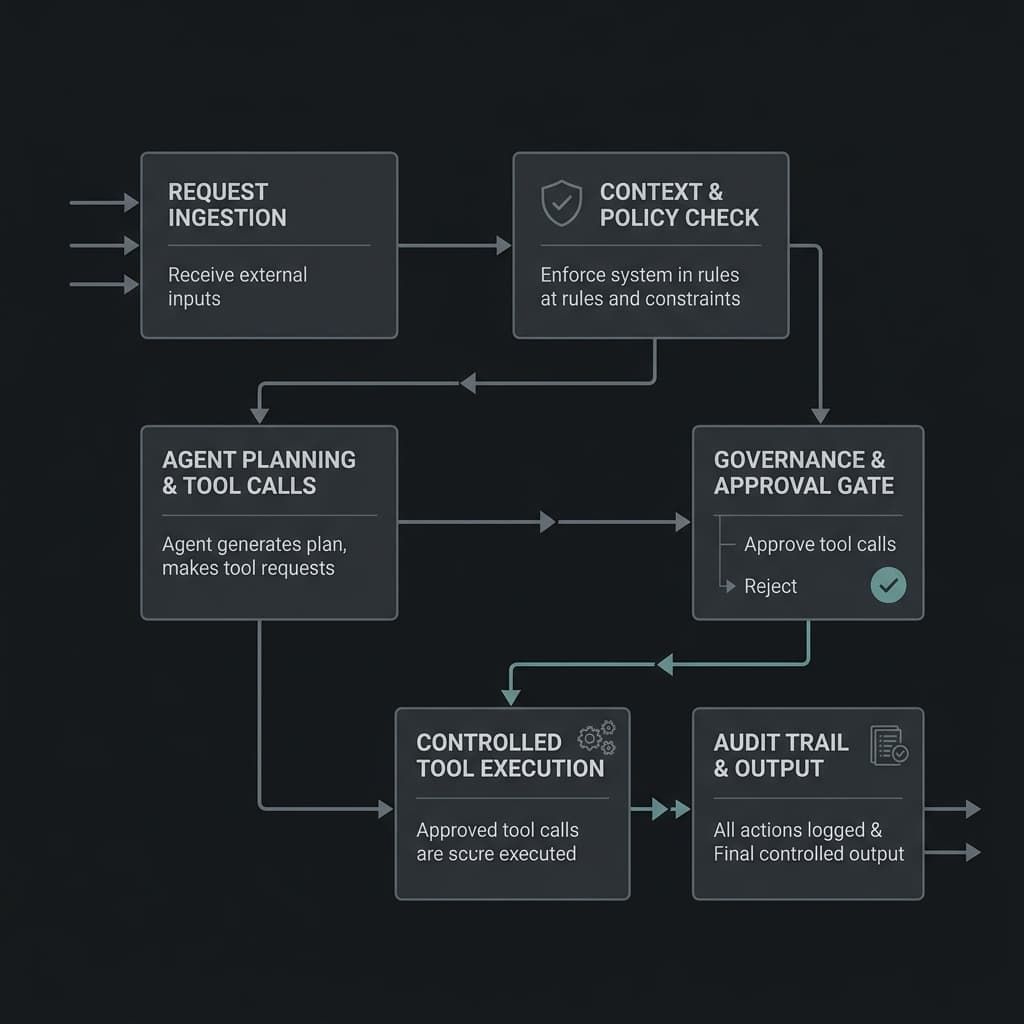
How the review works.
Projects & Systems
Systems, not wrappers.
I work at the intersection of AI governance, reasoning infrastructure, and production engineering where auditability, reliability, and real-world deployment actually matter.
Representative Case Notes
Where those methods were applied in public work.
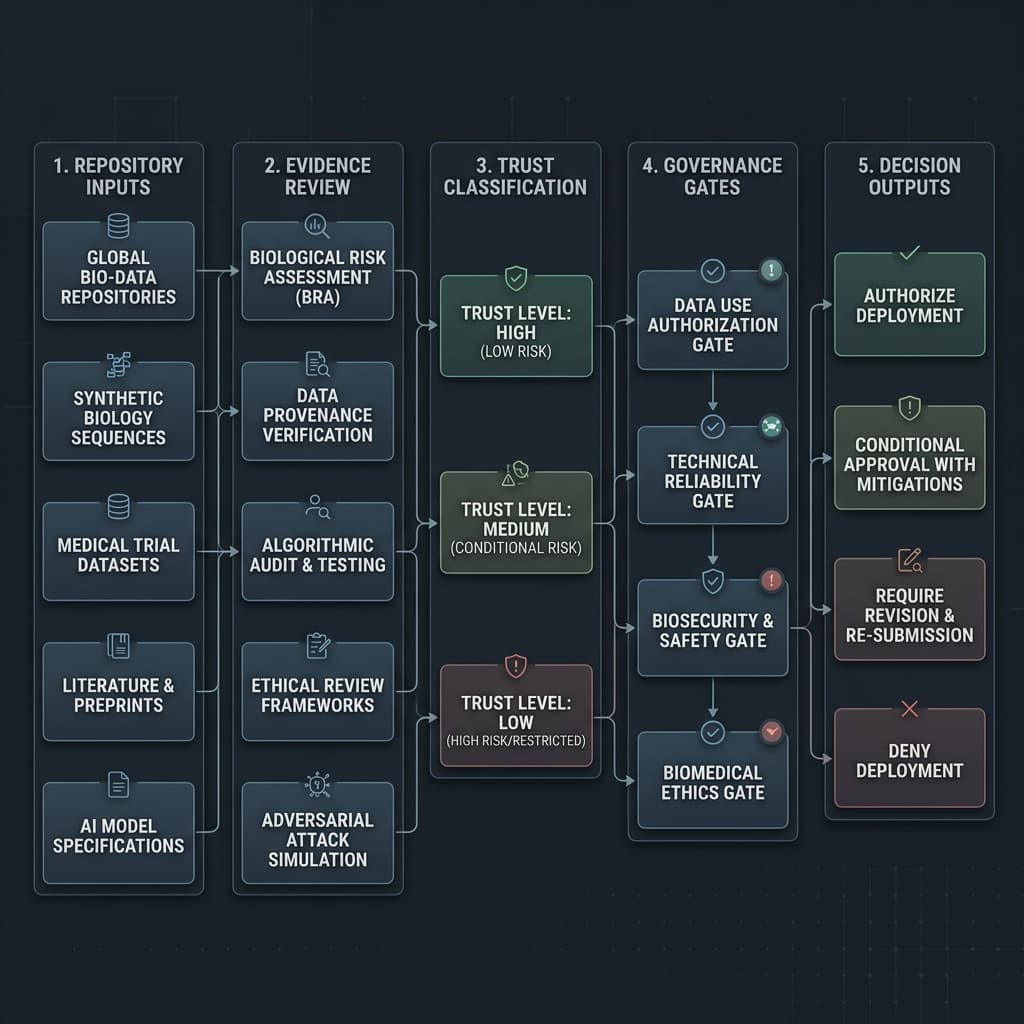
Scientific & BioAI case note
RExSyn-Nexus BioAI Governance
A BioAI governance track built for research workflows where structural honesty, model agreement, and evidence discipline matter more than plausible output.
Problem
Early orchestration looked promising on the surface, but model disagreement, structural drift, and false confidence made it unsafe as BioAI decision-support infrastructure.
What was built
Flamehaven turned that failure surface into a governed orchestration system with reasoning stages, explicit checkpoints, and gates that reject persuasive but unreliable outputs.
Evidence
The work is backed by a public engineering series covering orchestration failures, AlphaFold integration friction, hidden model disagreement, and governance gate design.
Operational governance case note
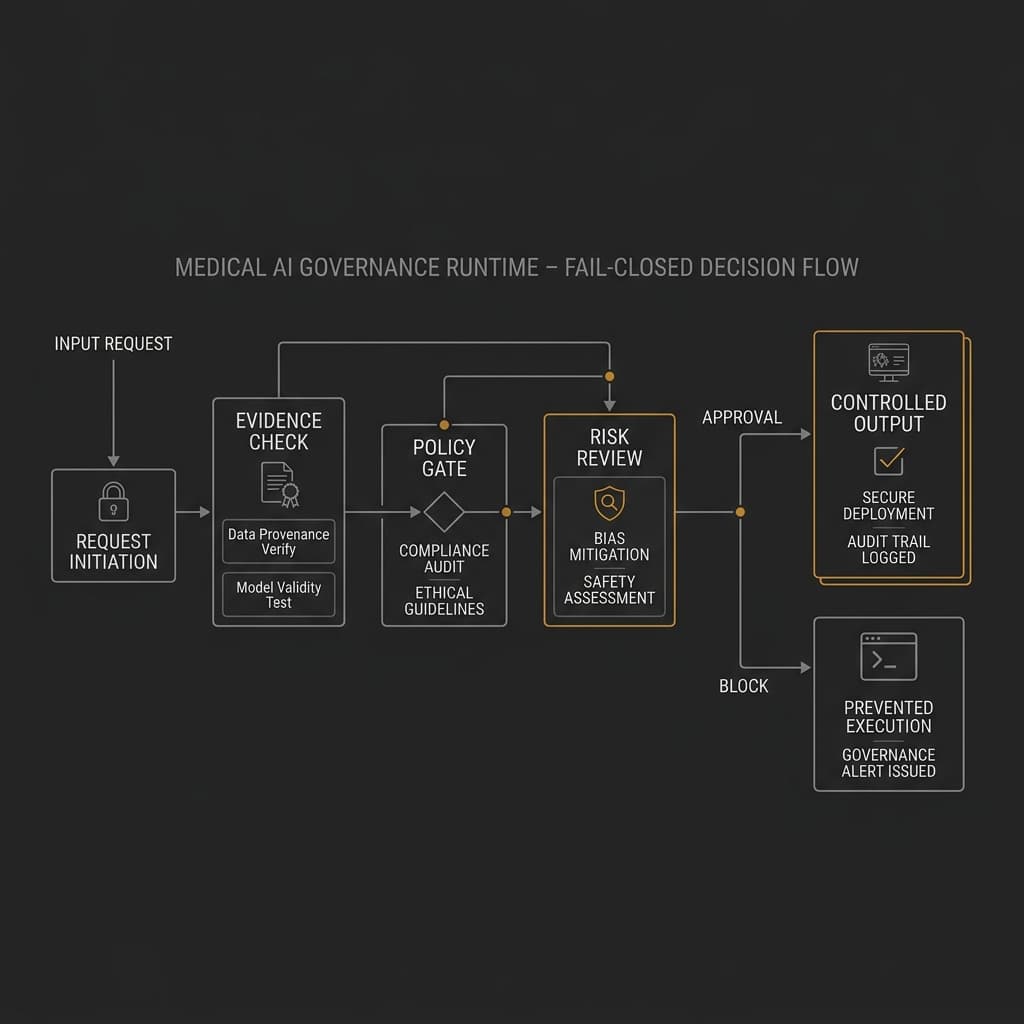
Governance Enforcement Runtime
An operational governance track built for high-stakes AI where constraint enforcement, review sequencing, and fail-closed execution matter more than prompt behavior.
Problem
Teams can describe governance goals in documents, but runtime behavior still drifts like an unbounded agent. That policy-to-execution gap is where high-stakes AI becomes unsafe.
What was built
Flamehaven built an operational governance layer that turns policy, constraints, review logic, and execution boundaries into enforceable runtime behavior through CR-EP and the Supreme Nexus Pipeline.
Evidence
This case note is grounded in actual internal governance systems: constraint enforcement, execution gating, review sequencing, and architecture designed to remain inspectable under production pressure.
Bring the system that is stuck between demo and deployment.
The strongest fit is a team that already knows the problem.It is architectural, not cosmetic.
Prefer email first? info@flamehaven.space